


.png)


Flight Attendant Personality?
Flight Attendant Work Schedule
Airlines like American, Delta, and United run flights nearly 24 hours a day out of major hubs such as Atlanta, Chicago O’Hare, Los Angeles, and New York JFK. Flight attendants staff these routes around the clock.
When you first start, you are usually on “reserve.” That means you are on call and may be given only a few hours’ notice before you fly. At some airlines, flight attendants can spend up to two years on full reserve before gaining more control. In certain bases, seniority is so competitive that it can take decades to always hold a steady monthly schedule. For example, at American Airlines’ Phoenix base, you would need about 38 years of service to guarantee a set schedule every month.
Seniority matters. Some flight attendants stay in the job for decades. Iris Peterson, a United Airlines flight attendant, worked an incredible 60 years before retiring. It is common to see crews with a mix of new hires and veterans who have been flying for 20, 30, or even 40 years.
The trips themselves vary. Some are single-day “turns,” where you fly a route and return the same day. Examples include New York to Boston and back, Los Angeles to San Francisco and back, or Dallas to Miami and back. Others are multi-day trips that include layovers.
For instance, a crew might fly from New York to London, spend 24 hours in the city, then fly back the next evening. West Coast bases often pair Los Angeles to Honolulu, followed by a layover before returning.
On shorter domestic routes, flight attendants may work three or four flights in one day, each about an hour or two long. On international or cross-country routes, it is usually just one or two flights per day, but they can last six to ten hours.
These examples show how much variety exists in a flight attendant’s schedule. Your day could mean several quick hops between nearby cities, or one long haul across the ocean with a hotel layover before the return.
A Day in the Life: Hourly Breakdown
Every trip is different, but here’s an example of what a flight attendant’s day might look like on a domestic route with multiple flights.
Example Schedule: Dallas (DFW) → Miami (MIA) → Atlanta (ATL) → Dallas (DFW)
- 4:30 a.m. Wake up and get ready. Flight attendants usually need to be at the airport well before boarding starts.
- 6:00 a.m. Report for the first flight. The crew meets for a pre-flight briefing to review safety procedures, weather, and passenger details.
- 6:45 a.m. Boarding begins. Flight attendants greet passengers, help with luggage, and make sure everyone is seated.
- 7:30 a.m. – 10:30 a.m. First leg: Dallas to Miami (about 3 hours). Duties include safety demonstrations, beverage service, and monitoring the cabin.
- 11:00 a.m. Second flight: Miami to Atlanta (about 2 hours). Another boarding, safety demonstration, and service run.
- 2:00 p.m. Quick ground time in Atlanta. Crews reset the cabin and prepare for the final flight of the day.
- 3:00 p.m. – 5:00 p.m. Third flight: Atlanta back to Dallas (about 2 hours). The crew wraps up with final safety checks and customer service duties.
- 5:30 p.m. Deplane passengers, complete paperwork, and officially end the duty day.
This example shows a three-leg day, which is common for domestic crews.
International trips look very different.
Example Schedule: New York (JFK) → London Heathrow (LHR)
- 5:00 p.m. Report to JFK for briefing.
- 6:00 p.m. Begin boarding a widebody aircraft. Hundreds of passengers board for the overnight flight.
- 7:00 p.m. – 7:00 a.m. (next day, London time) Flight duration is about 7 hours. Service includes dinner, beverage runs, and breakfast before landing. In between, flight attendants rotate breaks and rest periods in crew rest bunks.
- 8:00 a.m. Arrive in London, clear customs, and transfer to the hotel. A 24-hour layover gives the crew time to rest before flying back the next evening.
These examples highlight how flight attendants balance short, busy days with multiple flights and longer international trips with extended layovers. No two days look the same.
Top Burnout Complaints
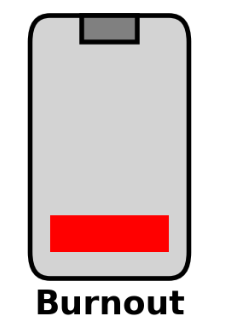
Only about 50% of new hires make it through their first year as flight attendants. That steep drop is tied directly to the demands of the job.
Constant schedule changes. Reserve duty means your phone can ring at 3 a.m. with an assignment. Even line holders with seniority sometimes see changes when weather or delays ripple through the system.
Long duty days. A “14-hour duty day” is not unusual. That includes early report times, multiple flights, ground delays, and paperwork after the last passenger leaves.
Physical wear and tear. Hours on your feet, lifting bags into overhead bins, and pushing heavy carts through the aisle take a toll. Back, knee, and shoulder issues are common.
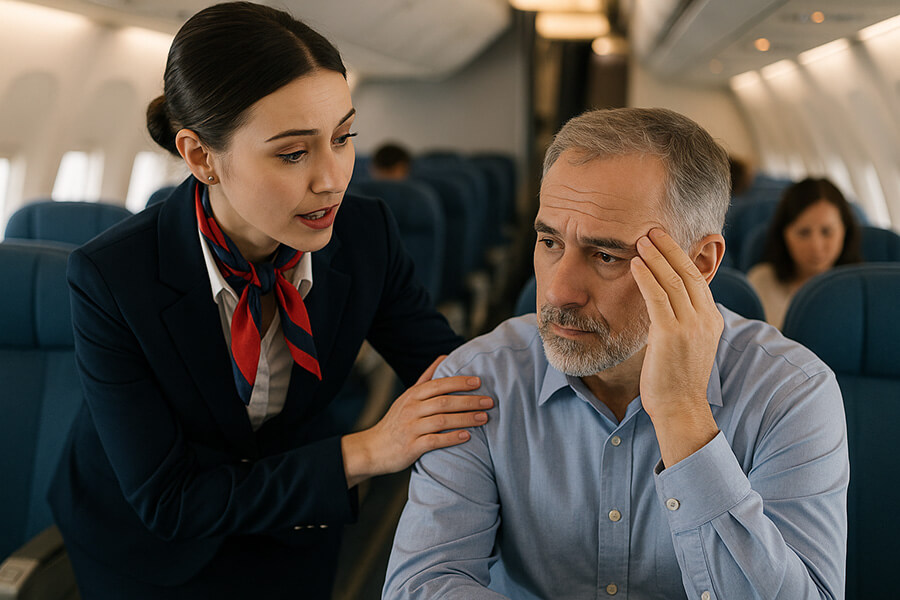
Emotional strain. Serving hundreds of passengers a day means handling everything from medical emergencies to difficult customers. Flight attendants must remain calm and professional through it all.
Seniority frustrations. At large airlines, some flight attendants have been flying 30 or 40 years. Competing with that level of seniority for schedules, routes, or vacation picks can be discouraging for newer hires.
These are not deal breakers for everyone, but they explain why some flight attendants leave after only a few years while others adapt and build careers that last decades.
Pay, Benefits, and Retirement
Flight attendants earn a wide range of pay depending on their airline, seniority, and base city. According to the U.S. Bureau of Labor Statistics, the median annual wage is about $63,700. Starting pay at major U.S. airlines is often around $25,000 to $35,000 a year, while senior flight attendants at top airlines can make $80,000 to $100,000+.
Per diem pay. In addition to hourly wages, flight attendants earn per diem pay for every hour they are away from their home base. This covers meals and incidental expenses on layovers.
Benefits. Major airlines provide health insurance, dental, vision, and life insurance. Retirement plans such as 401(k) with employer match are common. Some legacy carriers also offer pension plans for long-serving employees.
Travel privileges. Flight attendants and their immediate families often receive free or heavily discounted standby travel. With seniority, those standby seats become easier to secure.
Retirement. Many flight attendants stay with their airline for decades because of the combination of pay, benefits, and travel perks. Some retire in their 60s with full pensions or strong 401(k) balances. Others scale back to fewer hours by bidding for shorter trips as they approach retirement age.
Best Work Perks of Being a Flight Attendant

The perks of the job are a big reason many flight attendants stay in the industry for decades.
Travel privileges. Most airlines allow flight attendants and their immediate family to fly free on standby. This means you can visit friends, family, or new destinations at little to no cost.
Discounted tickets. Beyond free standby, airlines also offer deeply discounted confirmed tickets. These can be used for personal vacations or shared with extended family and friends.
Layovers in great cities. International crews often enjoy 24- to 48-hour layovers in cities like London, Paris, or Tokyo. Domestic crews may spend the night in places like San Francisco, Miami, or Honolulu.
Hotel accommodations. Layovers come with paid hotel rooms, usually arranged by the airline. The hotel costs and transportation to and from the airport are covered.
Flexible scheduling with seniority. Senior flight attendants can bid for preferred routes, choose longer layovers, or build schedules that allow more days off between trips.
Industry discounts. Beyond travel, flight attendants receive discounts on hotels, rental cars, cruises, and even theme park admissions through airline employee programs.
To be a flight attendant, you are going to need resilience, adaptability, and a service mindset. Your schedule will be unpredictable, and your lifestyle will be different from anything you’ve experienced before. But if you thrive in it, the rewards are unforgettable. You’ll step onto planes bound for cities you’ve never seen. You’ll hear the engines roar before takeoff and feel the rush of landing in a new country. You’ll carry the responsibility of safety for every passenger on board, and you’ll be the calm presence when they need it most.
The question is: does this career fit you? Not everyone is built for the demands of life in the air. That’s why it’s important to know if your personality lines up with the role.
The CareerFitter Work Personality Assessment starts with a free career test, where you’ll learn about your personality strengths and how they connect to different careers. If you take the step into Premium, the assessment matches your personality to over a thousand careers—including flight attendant—and shows you which ones are the best fit for you.
If you are serious about a future in aviation, start with you. Your personality is the compass that will guide you to the right role. Take the test today and see if your next adventure is waiting at 35,000 feet.
👉 Take the CareerFitter career test to find out if you have a flight attendant work personality.
Frequently Asked Questions

Turnover is high in the first year, with about half of new hires leaving. For those who stay, average careers last 15 to 20 years. Many flight attendants continue for 30 or 40 years, enjoying the benefits of seniority.
Communication, teamwork, adaptability, and calm under pressure are essential. Physical stamina and strong customer service skills are also required.
New hires usually spend one to two years on reserve. Full control over schedules can take many years and depends on your base. At some airlines, it may take decades to consistently hold preferred trips.
The median annual wage is about $63,700 according to the U.S. Bureau of Labor Statistics. Pay starts lower for new hires but increases with seniority. Benefits include per diem pay, health insurance, retirement plans, and free or discounted travel.
Full-time flight attendants typically fly 65 to 85 hours a month. This does not include reserve or ground duty, which can extend total work hours.
Most airlines require a high school diploma or GED, fluency in English, customer service skills, and the ability to pass a medical exam. First Aid or CPR certifications are often required during training.





.avif)


