


.png)


15 Year-round and Summer Jobs for High School Students

According to the U.S. Bureau of Labor Statistics, the youth labor force grows sharply each summer as students look for seasonal work. In July 2025, 23.7 million people ages 16 to 24 were working or actively looking for work, and 55.6% of youth were participating in the labor force. For summer 2026, high school students can still find strong opportunities in seasonal jobs, year-round part-time work, and internships that help them earn money while building practical experience.
Many students work to help with personal expenses, save for college, support their families, or gain experience before applying to college or future jobs. In this guide, you’ll find summer jobs that can also turn into year-round part-time work, plus internship and career program options that can help you explore your interests before choosing a college major or career path.
The Benefits Of Getting A Summer Job Or Year-Round Job
A summer job, internship, or part-time job can help you learn what working is actually like before you choose a college major or career path. It can also give you experience that makes future applications easier, even if the job is not directly related to the career you want later.
Here are some of the biggest benefits for high school students:
Career exploration: Summer jobs and internships help you test different types of work before committing to a long-term path. You might learn that you enjoy working with kids, helping customers, being outdoors, solving technical problems, or working in a fast-paced team environment.
Work experience: It can be hard to build a resume when you have never had a job. A summer job gives you real examples of responsibility, teamwork, communication, and problem-solving that you can include on job applications, scholarship applications, and college applications.
Communication skills: Most jobs require you to talk with customers, coworkers, supervisors, parents, or clients. The more practice you get, the more confident you become in interviews, school projects, and future workplaces.
Professional references: A manager, supervisor, coach, or internship mentor may be able to serve as a reference later. This can help when you apply for another job, internship, scholarship, or college program.
Money management: Earning your own paycheck helps you learn how to budget, save, and make decisions about spending. Whether you are saving for college, transportation, personal expenses, or family needs, work experience can help you build better financial habits.
Career clarity: Even a job you do not want long term can teach you something useful. You may discover what kind of schedule, environment, tasks, or responsibilities fit you best. That clarity can help you make smarter decisions about your next job, college major, or career direction.
Summer Jobs For High School Students
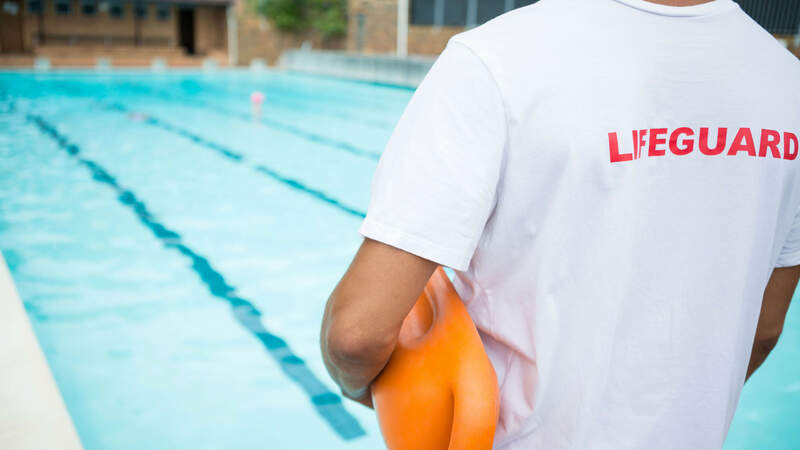
Now that you know how a summer job can help you build experience, the next question is simple: which jobs should you apply for?
The best summer jobs for high school students in 2026 are usually entry-level, seasonal, and flexible enough to work around school, sports, family responsibilities, and transportation limits. Pay varies by location, employer, age requirements, and experience, so use national wage data as a general guide and check local job postings for current rates in your area.
Lifeguard
If you want experience in emergency services, health care, fitness, or public safety, lifeguarding can be one of the strongest summer jobs to consider.
Lifeguards work at community pools, water parks, beaches, lakes, country clubs, recreation centers, and summer camps. Your responsibilities may include watching swimmers, enforcing safety rules, responding to emergencies, and helping keep the pool or waterfront area safe.
This job can help you build crisis management, communication, leadership, and decision-making skills. Many lifeguard jobs require CPR, first aid, and lifeguard certification before you can be hired.
Lifeguard pay varies widely by state. According to the U.S. Bureau of Labor Statistics, lifeguards and related recreational protective service workers earned mean hourly wages above $21 in the District of Columbia, Hawaii, and California in May 2024, while some states were closer to $12 per hour.
Source: U.S. Bureau of Labor Statistics, Lifeguards had hourly mean wages over $21.00 in two states and the District of Columbia in 2024
Part-Time Jobs for High School Students
If you are looking for year-round employment, focus on part-time jobs that are realistic with your school schedule, transportation, age requirements, and homework load.
The best part-time jobs for high school students help you earn money while building skills you can use later, such as communication, organization, customer service, responsibility, and time management.
Tutor
If you are strong in math, science, English, coding, music, foreign language, or another subject, tutoring can be a flexible part-time job.
You can tutor younger students, classmates, elementary school students, middle school students, or adults who need help with basic skills. Tutoring gives you experience in teaching, communication, planning, and leadership. It can also help you understand your own strengths because you have to explain ideas clearly.
Tutors had a median wage of $19.27 per hour in 2024, according to O*NET wage data. Pay can vary based on your subject, location, experience, and whether you work independently or through a tutoring center.
Source: O*NET Online, Tutors
Grocery Store Clerk
Working as a grocery store clerk is a practical year-round job for teens because grocery stores often need part-time help after school, on weekends, and during busy seasons.
In this role, you may help customers, stock shelves, bag groceries, collect carts, clean aisles, check prices, or operate a register if you meet the employer’s age requirements.
This job helps you build customer service, teamwork, inventory awareness, communication, and time management. It also teaches you how to stay focused during repetitive tasks and work with many different types of customers.
For pay context, cashiers had a median hourly wage of $14.99 in May 2024, according to the U.S. Bureau of Labor Statistics. Grocery store pay can vary depending on your role, state, employer, and local minimum wage.
Source: U.S. Bureau of Labor Statistics, Cashiers
Dog Walker or Pet Sitter
If you like animals and can be trusted to follow directions, dog walking or pet sitting can be a good part-time job.
You may walk dogs, feed pets, refill water bowls, clean litter boxes, give basic care, or check on animals while owners are at work or traveling. Some pet sitting jobs may involve staying overnight, but many are simple daily visits.
This job helps you build responsibility, time management, trustworthiness, animal care skills, and client communication. It can be flexible, but you need to be dependable because pets rely on you for care.
Animal caretakers had a median annual wage of $33,470 in May 2024, according to the U.S. Bureau of Labor Statistics. Independent dog walking and pet sitting rates vary widely by location, number of pets, visit length, and responsibilities.
Source: U.S. Bureau of Labor Statistics, Animal Care and Service Workers
Mover or Stock Helper
Working as a mover, stock helper, or warehouse assistant can be a physically demanding part-time job, but it can also teach useful skills.
You may help move boxes, load or unload items, organize storage areas, restock inventory, prepare shipments, or assist with basic warehouse tasks. Some moving and warehouse jobs may have age restrictions because of equipment, lifting requirements, or safety rules, so check the employer’s requirements before applying.
This job helps you build teamwork, stamina, organization, attention to detail, and customer service. It can be a good fit if you do not mind physical work and want a job that keeps you active.
Hand laborers and material movers had a median annual wage of $37,680 in May 2024, according to the U.S. Bureau of Labor Statistics. O*NET lists the 2024 median wage for laborers and freight, stock, and material movers at $18.72 per hour.
Sources:
U.S. Bureau of Labor Statistics, Hand Laborers and Material Movers
O*NET Online, Laborers and Freight, Stock, and Material Movers, Hand
Administrative or Office Assistant
An administrative assistant job can be a strong option if you are organized, detail-oriented, and interested in working in an office environment.
You may answer phones, enter data, scan documents, file paperwork, schedule appointments, organize supplies, greet visitors, or help with basic computer tasks. These roles can give you experience in business, health care, law, real estate, finance, education, or nonprofit work.
This job helps you build communication, organization, computer skills, professionalism, and attention to detail. It can also teach you how offices operate behind the scenes.
Secretaries and administrative assistants had a median annual wage of $47,460 in May 2024, according to the U.S. Bureau of Labor Statistics. Entry-level teen roles may pay less than the national median because they often involve basic office support rather than full administrative responsibility.
Source: U.S. Bureau of Labor Statistics, Secretaries and Administrative Assistants
Some virtual assistant or freelance platforms require workers to be at least 18, so check age rules before creating an account or accepting remote work. For high school students under 18, local offices, schools, churches, clinics, family businesses, and nonprofits may be better places to find beginner-friendly office experience.
5 Internship Opportunities for High School Students
A summer internship can be a strong alternative to a summer job if you want to explore a specific career field before college. Internships can help you learn what real work looks like in science, technology, health care, museums, art, business, public service, and other fields.
Before applying, check the details carefully. Some internships are paid, some are unpaid, and some are academic summer programs that charge tuition instead of paying students. You should also confirm the deadline, location, age requirements, grade requirements, transportation needs, and time commitment before you apply.
Here are five internship and career program options high school students can review for summer 2026.
1. Microsoft High School Discovery Program
If you are interested in technology, software, computer science, engineering, or product development, the Microsoft High School Discovery Program is worth reviewing.
Microsoft describes the Discovery Program as a four-week internship for students who are passionate about technology and want to explore different career paths in tech. Participants work on a real project, learn from Microsoft employees and mentors, and build professional skills.
For 2026, eligibility is specific. Microsoft states that Discovery Program candidates must have an intended high school graduation date before the internship begins and must live within 50 miles of Redmond, Washington, or attend high school in the Atlanta area. Candidates must also complete pre-calculus or an equivalent course by the start of the program. Review Microsoft’s internship eligibility requirements before applying.
2. Smithsonian National Museum of Natural History Summer High School Internship
If you are interested in museums, science, research, education, communications, public programs, or history, the Smithsonian National Museum of Natural History Summer High School Internship is a strong option to explore.
The Smithsonian states that its 2026 summer high school paid internship program is for youth ages 15 to 18 who are current high school students in grades 9 to 12. The program gives students a chance to learn what it is like to work in a museum, including both science and non-science museum work.
For 2026, the internship runs from June 23 to August 14, Tuesday through Friday, from 10 a.m. to 4 p.m. Students can also review the Smithsonian’s NMNH Summer High School Internship listing for program details.
3. The Met Summer High School Internship
If you are interested in art, museums, design, creative careers, education, social media, photography, or cultural work, The Met Summer High School Internship is worth considering.
The Metropolitan Museum of Art offers paid summer internships for high school students in grades 10 or 11, or students earning a high school equivalency. To qualify, students must live in and attend high school or home school in New York, New Jersey, or Connecticut by the application deadline.
The program helps students connect with art, museum work, and creative professionals while developing professional skills and gaining work experience. You can also review The Met’s main internships page for additional opportunities.
4. Johns Hopkins Summer Programs
If you are interested in medicine, public health, science, research, engineering, or STEM, Johns Hopkins offers several summer opportunities to review.
The Johns Hopkins Medicine Summer Internship Program for 2026 runs from May 24 to August 1 for most divisions, but applications for 2026 are now closed. Even if you missed this year’s deadline, it can still be useful to review the program early for future application cycles.
Johns Hopkins also offers pre-college summer programs for high school students. These programs are academic experiences, not traditional paid jobs, so students should check tuition, dates, course format, and eligibility before applying.
5. Cloudflare Early Talent Opportunities
If you are interested in internet technology, cybersecurity, engineering, business, marketing, product work, or project management, Cloudflare can be a company to watch.
Cloudflare offers early talent and career opportunities connected to its work in internet performance, security, and cloud technology. However, high school students should review each role carefully because many company internships are designed for college students or early-career applicants.
For 2026, Cloudflare has received attention for planning a large internship hiring push. Business Insider reported that Cloudflare planned to hire 1,111 interns in 2026. Because eligibility can vary by role, students should check Cloudflare’s career site directly before applying.
6. Internship Boards and Local Youth Programs
You can also find internship opportunities through job boards and local youth employment programs.
LinkedIn Internships can be useful for finding internship postings, but many high school students will have better results by also checking local sources. City governments, county workforce boards, libraries, hospitals, school districts, parks departments, community colleges, nonprofits, and museums often run youth employment programs or summer career programs.
You can also review USAJOBS Students and Recent Graduates for federal student opportunities.
Good places to search include:
Your city or county workforce development office
Your school counseling office
Local hospitals and museums
Parks and recreation departments
Public libraries
Community colleges
Local nonprofits
These programs may be easier to access than national internships, especially if you need something close to home or do not have reliable transportation.
The Wrap-Up: Use Summer Work to Discover Your Future Career
Finding a summer job, part-time job, or internship as a high school student can feel intimidating at first, especially if you have never worked before. But your first job does not have to be perfect. It just needs to help you build experience, learn responsibility, and understand what kind of work fits you.
A summer job can teach you how to communicate with customers, follow a schedule, manage money, solve problems, and work with a team. An internship or career program can help you explore a specific field before you choose a college major or career path.
If this is your first job, start by creating a simple resume that includes school activities, volunteer work, clubs, sports, babysitting, tutoring, pet care, lawn work, or any leadership experience. You can also use AI tools carefully to help draft a resume or cover letter, but make sure you review and personalize anything before you send it to an employer.
If you are still unsure which type of job or career path fits you best, a career assessment can help you compare your interests, personality, and strengths with different work environments. The CareerFitter career test can be a helpful starting point as you decide which summer job, internship, or future career direction may fit you.
FAQs About Summer Jobs for High School Students
What is the best job while in high school?
The best job while in high school depends on your schedule, transportation, age, and goals. Tutoring can be a strong option if you are good at a subject and want flexible hours. Retail, grocery store, restaurant, camp, and lifeguard jobs can also be good choices because they teach customer service, responsibility, teamwork, and communication.
Which summer job pays the most?
The highest-paying summer job depends on your location, experience, certifications, and local demand. Tutoring, babysitting, lifeguarding, lawn care, and some recreation jobs can pay well for high school students. Rather than relying on one national average, compare local job postings and check whether the job requires certification, transportation, or previous experience.
How do I find a job just for the summer?
Search for jobs that use words like “seasonal,” “summer,” “temporary,” “camp,” “lifeguard,” “parks and recreation,” “student worker,” or “summer help.” You can check job boards, your city or county website, local parks departments, community pools, restaurants, grocery stores, summer camps, libraries, and small businesses.
You can also ask teachers, coaches, family friends, neighbors, and your school counselor if they know of local employers hiring students for the summer.
When should high school students apply for summer jobs?
High school students should start applying in March or April for the best selection of summer jobs. Camps, pools, parks departments, and youth programs often hire before summer begins. Restaurants, grocery stores, retail shops, and small businesses may continue hiring into May and June.
Can you get a summer job with no experience?
Yes. Many summer jobs are designed for students with little or no formal work experience. If you have never had a job, include school activities, volunteer work, sports, clubs, babysitting, tutoring, pet sitting, lawn care, or family responsibilities on your resume. Employers often care most about reliability, attitude, availability, and willingness to learn.




.avif)


