




.png)


You hate Sunday nights. Around 7 p.m., your stomach gets tight and the gloom about tomorrow rolls in. By 9, you're checking the work email you swore you wouldn't open. Is this job burnout, or the wrong career?
Maybe you've even started rewriting your resume. You got a few lines in, looked at the job posts, and stopped. Not because you were lazy. Because a question popped up that you couldn't answer: Am I tired of this job, or tired of this work?
That question matters more than any resume. Let's answer it first, so you don't burn another evening fixing the wrong thing.
Don't fix the wrong problem
When the check engine light comes on, you don't buy a new car. You find out what the light means first. It might be a loose gas cap. It might be the engine.
That "I'm done" feeling about work is the same kind of light. It tells you something is off. It doesn't tell you what.
A fresh resume for the same kind of job won't fix a work problem. A whole new career won't fix plain job burnout. You'd just pack the tired and bring it with you.
And if you're thinking about moving, that's normal. The typical US worker has been with their employer only about four years (BLS, 2026). The goal is to move in the right direction.

Burnout or wrong career? The 3-bucket test
Before you change anything, sort your feeling into one of three buckets:
- Bucket 1: The work is fine. The place is wrong.
- Bucket 2: The work is fine. You're drained.
- Bucket 3: The work itself is wrong for you.
Each bucket has a different fix. Pick the wrong one and you could lose a year or more.
Bucket 1: Right role, wrong company
You're in Bucket 1 if you still like the work, but the place is wearing you down.
Think of a healthy plant stuck in a pot that's too small. The plant is fine. The roots just have nowhere to go.
You might be here if:
- You still like the actual tasks, especially on quiet days
- Your stress spikes around certain people, rules, or meetings
- You picture doing the same job somewhere else and feel relief
- Most of your complaints are about your boss, your pay, or the culture
One nurse we'll call Marcus was sure he was done with nursing. Then he picked up a few shifts at a different clinic and went home the good kind of tired. The patients were never the problem. His unit was.
Your gut check: "If I did this exact job at a place I respected, with a fair boss, would I be okay?" If your honest answer is yes, you're probably in Bucket 1.

Bucket 2: Burnout or a temporary drain
You're in Bucket 2 if you used to like the work and a hard stretch has left you drained.
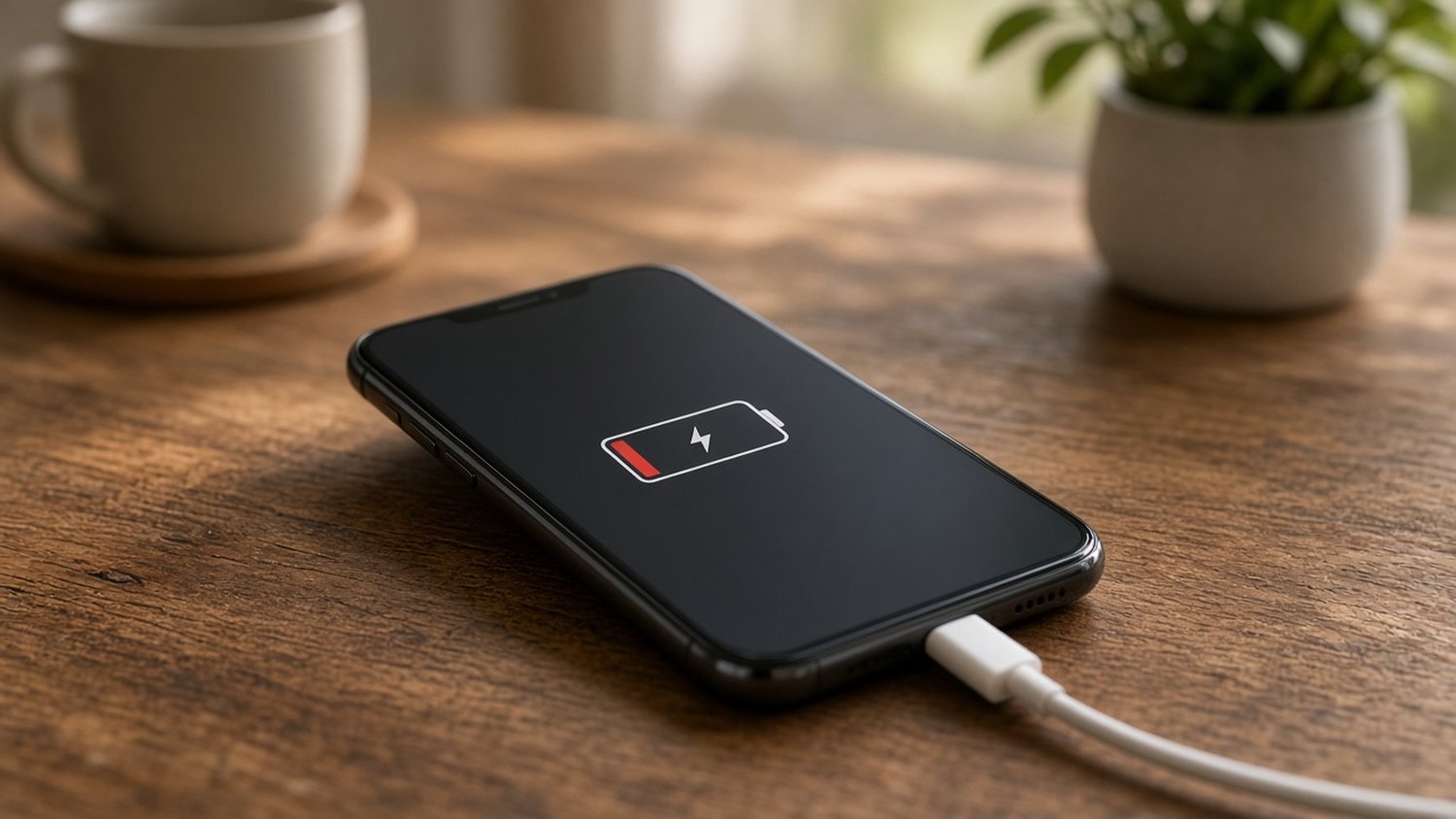
Picture your phone at 3 percent battery. Nothing is broken. It just needs a charger.
This bucket often shows up after a hard stretch: a huge project, a short-staffed year, caring for a parent, a new baby. When life piles on, work tends to take the blame.
Here's the tell. You used to like this work, and the change came with a rough season. Now everything feels hard, even hobbies and friends. You feel more numb than angry. And a few days off help, even a little.
Try the "best year" test. Think back to your best year in this work. If you'd be happy doing it with that year's energy, you may need rest and limits more than a new path.
A quick note: If the drain won't lift, or it comes with poor sleep, low mood, or feeling hopeless, talk to a doctor or counselor. That's a smart move, and it helps you think more clearly about everything else.
Bucket 3: This kind of work is wrong for you
You're in Bucket 3 if the tasks themselves drain you, no matter where you do them.
Shoes a size too small don't get better in a new box. You've felt this way at two or more companies. Even good days leave you flat. Time off helps, but the dread is back by Tuesday.
Quick test: List the five tasks you do most each week. Mark each one "gives" or "takes" energy. If most say "takes," and they'd be the same at any company, you're likely in Bucket 3.

Start with a 3-day energy log
Your mood on a bad Monday isn't good data. You need a slightly bigger sample, and three workdays is enough to start.
At the end of each workday, take one minute. Jot down:
- The task that gave you the most energy
- The task that drained you the most
- Why it drained you: the task, the people or rules, or your own empty tank
After three days, count your answers.
- Mostly "people or rules" points to Bucket 1
- Mostly "empty tank" points to Bucket 2
- Mostly "the task itself" points to Bucket 3
Want a clearer picture? Keep the log going for two weeks. A longer run smooths out one bad meeting or one great day. It's optional, but it's still a lot faster than a year in the wrong new job.

Small bets before big ones
You wouldn't sell your house to move to a city you've never visited. Your career works the same way. Visit first.
If you think you're in Bucket 1:
- Have coffee with someone who does your job at another company. Ask what a normal week looks like.
- Apply to two jobs in your same role. Notice how the interviews feel.
- Ask your boss for one change, like a new team or a different schedule. Their answer tells you a lot.
If you think you're in Bucket 2:
- Take a real break. Not the kind where you check email from the beach.
- Set one firm limit for 30 days, like no email after 7 p.m.
- Hand off or drop one task you dread.
If you feel better after a month, the work may not be your problem.
If you think you're in Bucket 3:
- Take the free work personality career test to see which careers fit how you like to work.
- Look up your top three matches in CareerFitter career research. Notice which daily tasks make you lean in.
- Pick one and shadow someone who does it for half a day.
Each test costs you very little. Each one swaps a guess for real proof.

What if you're in more than one bucket?
That's common. You can be burned out and at the wrong company. You can even be burned out because the work is wrong.
If you're not sure, start with Bucket 2. Rest first, then judge. A tired brain makes everything look worse than it is. Once you've got some charge back, run the Bucket 1 and Bucket 3 tests. Your answers will be more honest.

Which bucket fits you?
Answer six quick questions. Tap the line that sounds most like you. At the end you'll get one bucket and a small next step. If two buckets tie, rest first, then judge.

Then update your resume
Picture a few days from now. You open your energy log and the pattern is right there. Maybe every drain points to one manager. Maybe it points to an empty tank. Maybe it points to the work itself.
Whatever it shows, you're not guessing anymore. And when you sit down to update your resume, it takes one evening, not three, because you know exactly what it's for.
Next Sunday night might still feel a little heavy. But this time you'll know why, and you'll have a plan.
Sort first. Test small. Then make your move.

Once you know your bucket, take CareerFitter's free career assessment to see which kinds of work fit you.

Try the free career assessment
Quick answers
How do I know if I'm burned out or in the wrong career?
Look at where the drain comes from. If you used to like the work and a few days off help, it's more likely burnout. If the same tasks drain you at every job, even after rest, you may be in the wrong kind of work.
What is job burnout?
The World Health Organization says burnout comes from long-term stress at work that hasn't been handled well. It has three signs: you feel worn out, you feel distant or negative about your job, and you get less done. The WHO calls it a work problem, not a medical condition.
Can burnout make you hate a job you used to like?
Yes. After a long, hard stretch, even work you used to like can feel heavy. Think back to your best year in this work. If you'd be happy doing it with that year's energy, rest may help more than a new career.
Should I quit my job if I'm burned out?
Not until you know which bucket you're in. A new job won't charge a low battery, and you may bring the tired with you. Rest first, set one firm limit, and then decide. If you still want to leave, read this before you quit.
How long does burnout recovery take?
It's different for everyone. Start with a real break and one firm limit for 30 days. If you feel better after a month, the work may not be your problem. If the drain won't lift, or it comes with poor sleep or low mood, talk to a doctor or counselor.
Sources
- US Bureau of Labor Statistics, "Employee Tenure in 2026," news release USDL-26-1532, September 24, 2026. https://www.bls.gov/news.release/tenure.nr0.htm (median tenure 4.1 years in January 2026)
- World Health Organization, "Burn-out an 'occupational phenomenon': International Classification of Diseases," May 28, 2019. https://www.who.int/news/item/28-05-2019-burn-out-an-occupational-phenomenon-international-classification-of-diseases




.avif)


